Longevity
Yoga during pregnancy: 5 Do’s & Don’ts
Pregnancy is an extraordinary adventure. Your body changes to give birth to the new life. It's only natural that you need support for your body and mind. Yoga is a fantastic way to navigate this journey with grace and strength. We want to look into yoga for pregnant women and find out […]

Pregnancy is an extraordinary adventure.
Your body changes to give birth to the new life. It’s only natural that you need support for your body and mind.
Yoga is a fantastic way to navigate this journey with grace and strength. We want to look at yoga for pregnant women and find out how it can contribute to a harmonious pregnancy.
# 1. Introduction to pregnancy yoga
Prenatal yoga is a gentle, adaptive method to maintain fitness and reduce stress. It connects you deeply with your growing baby. Unlike typical workouts, it focuses on balancing breath with movement and promoting mindfulness. No matter whether you are new to yoga or already have experience, Yoga unterstützt die Bindung zwischen Mutter und Baby.
Prenatal yoga involves movements that adapt to your changing body. It ensures the baby’s safety. Yoga during pregnancy should always put the safety of the baby in the womb first. It also provides emotional and mental support. The techniques strengthen your resilience and calmness and prepare you for birth. This holistic approach makes yoga an important part of pregnancy.
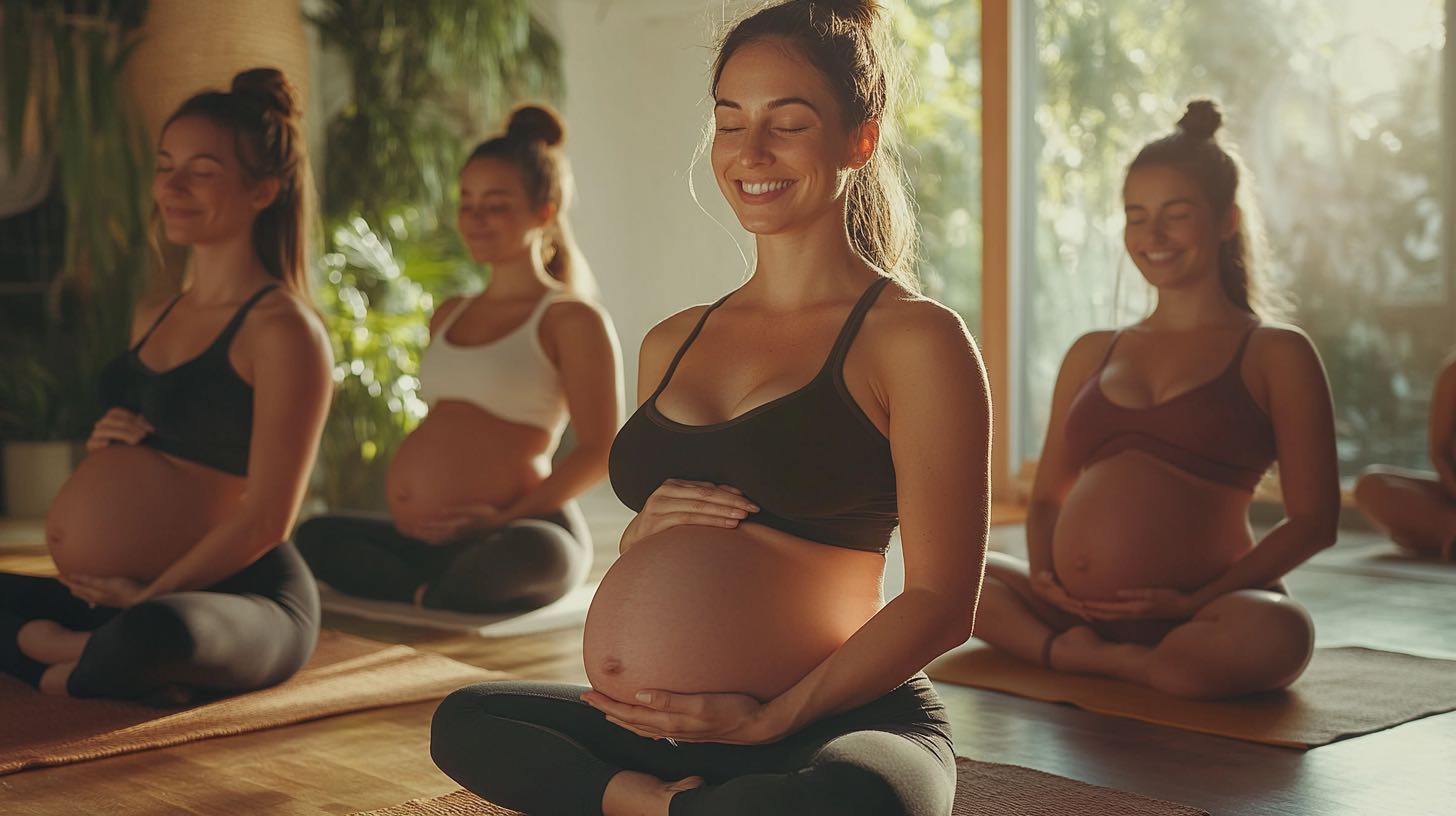
# 2. Important safety precautions and do’s & don’ts
Before you start yoga, you should know the most important safety precautions to protect yourself and your baby.
Do’s:
- Consult your doctor: Get a doctor’s permission, especially if there are complications such as placenta previa or a history of miscarriage. Know your physical resilience.
- Listen to your body: Notice how the poses feel. If you feel uncomfortable, stop gently. Every pregnancy is unique. Notice yourself.
- Adjust poses for comfort: Use bolsters and pillows to maintain balance and support.
- Focus on the breath: Deep, even breathing promotes relaxation and oxygenation. Regular yoga during pregnancy makes this easier Atmen während der Geburt.
Don’ts:
- Avoid extreme twists and backbends: They put pressure on the uterus. Gentle stretching is fine if it’s not stressful.
- Don’t overexert: Training should nourish your body, not strain it.
- Avoid hot environments: Avoid hot yoga. A calm atmosphere is good for you and your baby.
- The Versorgung des Babys beeinträchtigt can be done in the supine position from around the 34th week of pregnancy.
By following these guidelines, you can have a safe and enriching yoga experience during pregnancy.
Are you pregnant and want to do yoga?
Why not come to class with us – we even have (expectant) mothers on the team!
# 3. Benefits of Yoga for Expectant Mothers and Babies
Yoga offers benefits for the body and mind:* Physical mobility and flexibility: The asanas improve mobility and flexibility. This is valuable as the body adjusts to the growing baby.
- Strengthens the pelvic floor: The most important exercises strengthen the muscles that are important for birth and recovery. Provides crucial support during labor and the postpartum period.
- Relieves Pain: Relieves back pain, fatigue and sciatica. Moderate Kraft- und Ausdauertraining can relieve pregnancy symptoms such as back pain. The stretches relieve tension and ensure better posture.
- Emotional balance: Promotes Endorphine, reduces stress and improves mood.
- Baby’s well-being: The relaxation also has an effect on your baby. More oxygen through deep breathing promotes growth.
These benefits support both pregnancy and postpartum recovery.
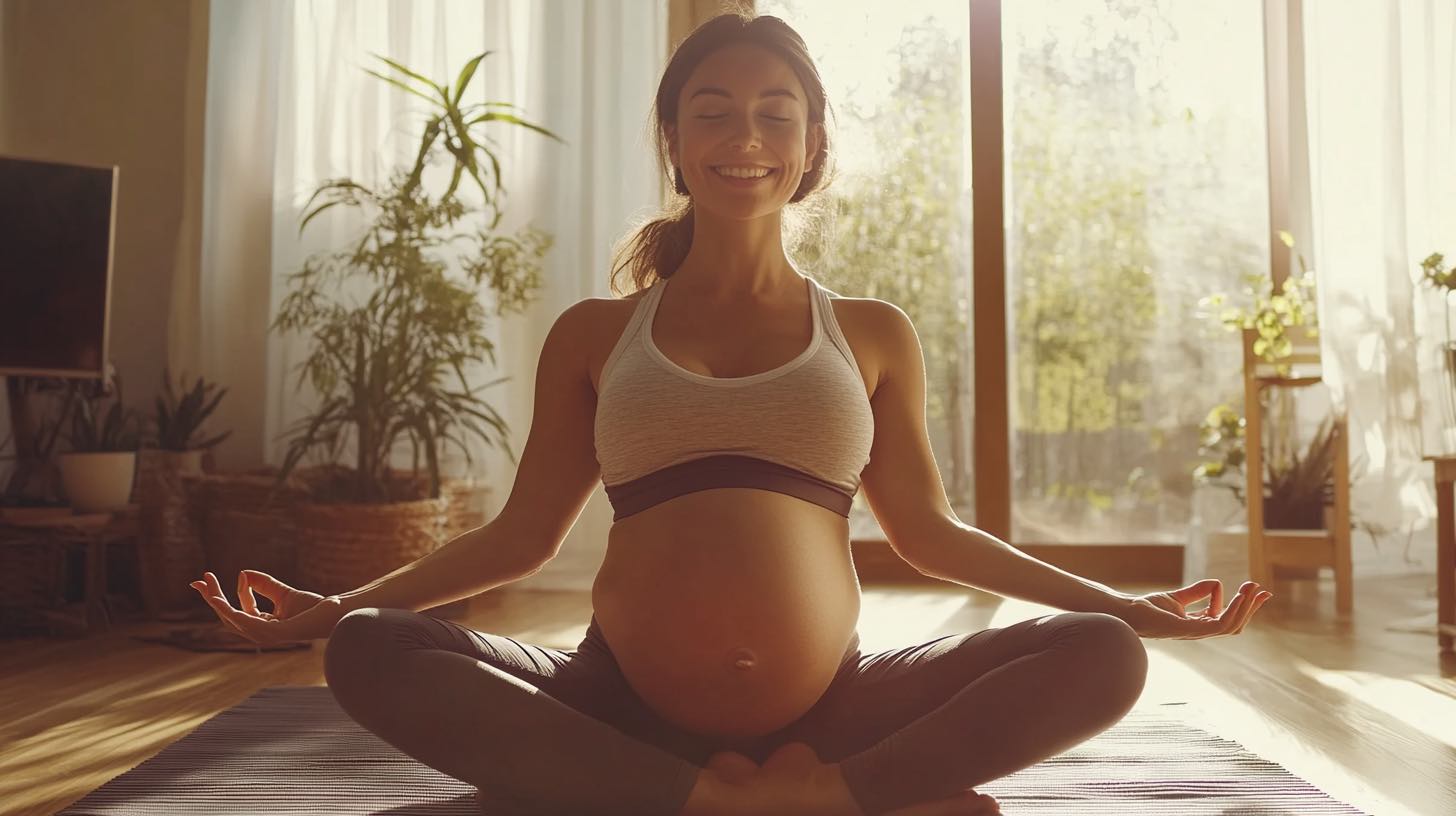
# 4. Promote relaxation and emotional well-being
Yoga is a refuge. It offers introspection and peace. Guided meditations and affirmations relieve anxiety.
Heart-opening positions like Child’s Pose encourage letting go of emotions. Yoga promotes self-care, peace and mindfulness.
Visualization and affirmations support a positive mindset. A powerful way to regain balance during pregnancy.
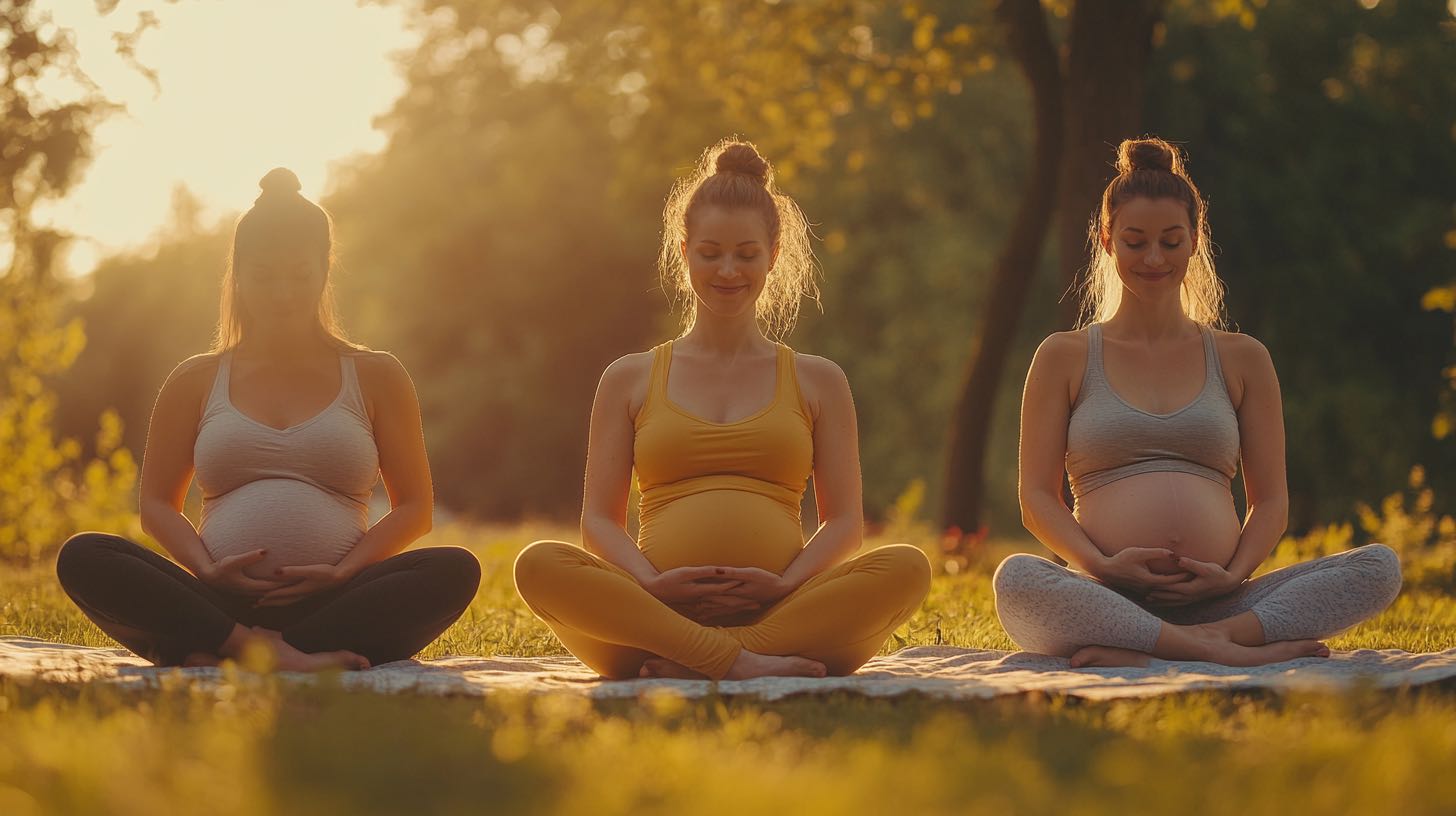
# 5. Popular asanas for pregnant women
Safe, beneficial asanas for pregnancy yoga:
- Tadasana (Mountain Pose): Teaches balance and stability. Strengthens the Rumpf and posture.
- Baddha Konasana (Bound Angle Pose): Improves pelvic flexibility and reduces tension.
- Malasana (Yogi Squat): Opens the hips and strengthens the back. Prepare for labor.
- Virabhadrasana (Warrior Pose): Strengthens the legs and lower body.
- Savasana (Corpse Pose): Used for relaxation and stress relief.
Image generation failed.
These asanas improve fitness and deepen the bond with your baby. Slight modifications ensure safety and comfort.
Bauchmuskeltraining sollte bis nach der Geburt verschoben werden to ensure security.
Prenatal yoga is a gentle way to celebrate this transformative journey. Be mindful of each hour and listen to your needs. Yoga connects you with your baby and enriches your experience with serenity and strength.
Whether alone or in a group, yoga supports your health and your self-determination during this time. With thoughtful practice, you can reap these benefits in motherhood by savoring them with love and perseverance.