Ernährung
Collagen: The supplement's secret weapon or a marketing gag?
Collagen - a word that's been making the rounds on beauty forums, supplements, and Instagram influencers' morning smoothies. It is the protein of the moment and is touted as the fountain of youth. But is collagen really the secret weapon for firm skin and healthy joints or is it just another marketing gimmick? Let’s dive into the world […]

Collagen - a word that’s been making the rounds on beauty forums, supplements, and Instagram influencers’ morning smoothies.
It is the protein of the moment and is touted as the fountain of youth.
But is collagen really the secret weapon for firm skin and healthy joints or is it just another marketing gimmick?
Let’s delve into the world of the Triple Helix and find out the truth.
# 1. What is collagen?
Imagine you are building a skyscraper. Think of collagen as the steel beams that hold everything up. This structural protein is the most abundant protein in our body and accounts for about 30% of the total protein mass. It is found in Sehnen, Bändern, Knochen und Knorpeln and can be found wherever there is strong connective tissue that presents itself like on a catwalk.
The structure of collagen is fascinating - a tangle of amino acids (mainly Glycin, proline and hydroxyproline) that twists into a left-handed triple helix. It consists of three polypeptide chains and forms a right-handed triple helix. It is like a microscopic architectural marvel that gives shape and form to our bodies. There are 28 different types of collagen in the human body, each suited to different tissues.
Collagen types I, II and III are not only a structural blessing, but also particularly remarkable. Type I is the superstar, found in skin, tendons, bones and connective tissue. Type II shines in cartilage, and type III is found along with type I in organs, Muskeln, and blood vessels of early life.
Not only is collagen a modern hero, but its etymology goes back to the Greek word “kolla,” meaning glue. Historically, collagen’s predecessor was used to make glue. The etymological journey is apt, as modern uses of collagen benefit from its binding properties.

# 2. From the helix to the skin: What collagen can really do
As we age (like a fine wine or, let’s face it, sometimes a neglected fruit), our collagen production decreases. The once abundant amount of collagen decreases, leading to the typical signs of aging Falten, brüchige Knochen und knarrende Gelenke worthy of a horror movie.
Because collagen keeps our skin plump and youthful, it is highlighted in anti-aging treatments and supplements. Think of collagen as your skin’s best friend, constantly on standby to maintain its firm and firm appearance.
But it’s not just about looking youthful. Collagen does hard work – literally – in bones and joints. It forms a large part of the supporting structure of our bones and joints and helps to maintain bone density and keep the joints flexible and pain-free.
Collagen also contributes to activities such as: B. HIIT Sport makes an important contribution to the tendons and ligaments, the unsung heroes in the biomechanical orchestration of the human body, enabling movements with the precision of a molecular symphony.Aside from its mechanical secrets, collagen has an impressive repertoire in wound healing and tissue regeneration, making it a cornerstone of regenerative medicine. It’s like the body’s emergency response team - springing into action to close wounds and rebuild tissues, demonstrating its reparative genius in the process.

Templeshape’s
healthy cookbook:
Nourish From Within***
# 3. Collagen as a dietary supplement
If you open any wellness influencer’s closet, you’re sure to find collagen supplements to look forward to. These magical powders, glittering capsules and potent ampoules promise ageless skin, elastic joints and even shiny hair and nails.
But science asks the question: do they deliver what they promise?
The human body breaks down ingested collagen into amino acids, which are absorbed like any other Proteinquelle. So while you sip your morning collagen brew, you’re feeding your body important building blocks and not necessarily a direct route to wrinkle-free nirvana.
Some studies point to potenzielle Vorteile, such as: B. improved skin elasticity and joint function after taking collagen, but these results often come with an asterisk: many studies are funded by supplement companies. Science is promising, but not always free from bias.
In addition, it should not be overlooked that although taking collagen can be a useful ally, there is a catch: our body needs vitamin C to efficiently produce its own collagen. So if you’ve been ignoring oranges in favor of your supplement stash, you might be doing it wrong.
# 4. Why there is no vegan collagen
For those of us who want to eat as plant-based as possible, the lack of a vegan collagen option is a reason to question our environmental consciousness. Collagen is traditionally derived from animal products such as beef, chicken skin and fish scales.
What about vegan collagen, you ask?
Well, nature doesn’t serve it on a silver platter. In other words: There is no vegan collagen.
But thanks to the wonders of biotechnology, companies are starting to crack the code by using genetically engineered microbes to produce collagen-like proteins without them mooing or cackling.
Eating something so highly processed in the laboratory isn’t really the real deal, is it?
# 5. Collagen creams: mistake or future?
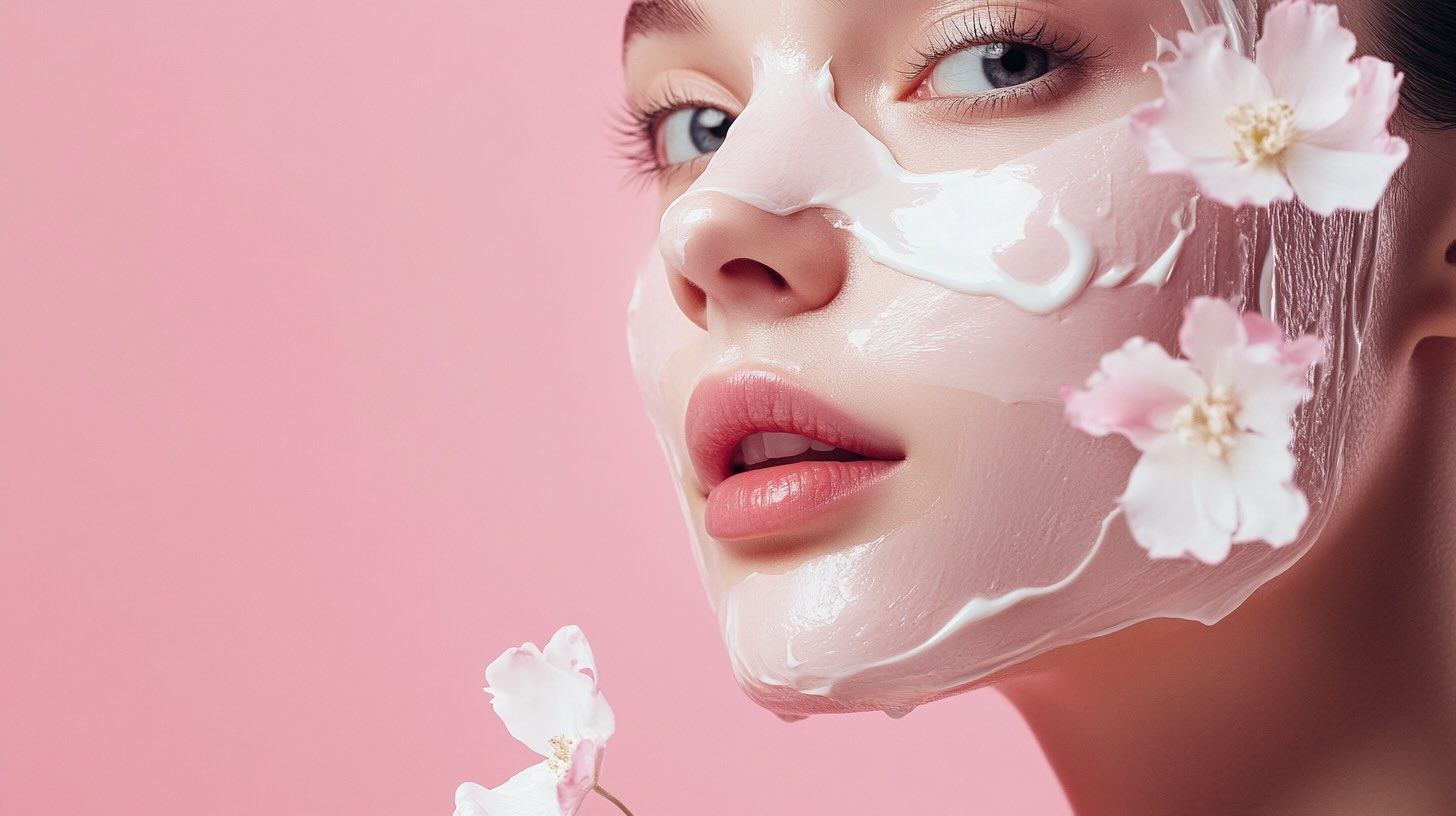
The beauty industry has a love affair with collagen creams, touting them as the saviors of weathered skin. But before you slather yourself with these creams, consider this: Collagen molecules are the bouncers in the skin club - they’re too big to jump through the door of the epidermis without an invitation.
Most over-the-counter collagen creams only relieve superficial dryness rather than getting into the deeper layers of the skin and causing it to naturally produce more collagen. Although these creams can provide temporary moisture, they cannot work miracles in depth.However, there are innovations here too. Short-chain collagen fibers have come onto the market and promise better absorption by the skin. However, their effectiveness has not yet been proven by the scientific community.
Essentially, collagen is as essential as it is fascinating, but its supplemental form may not be the miracle elixir many claim. Ernährung, supplements and skin care all play an important role in maintaining healthy levels of this essential protein, but require a well-rounded approach to have a real impact.
Instead of rushing into every source of collagen with your eyes closed, a balanced diet that’s reich an Aminosäuren, Vitaminen und Mineralien, along with a lifestyle that prioritizes sleep over stress (and sunscreen, always sunscreen), could better support your body’s collagen needs.