Ernährung
Joel Robuchon: 5 Things You Can Learn From Him
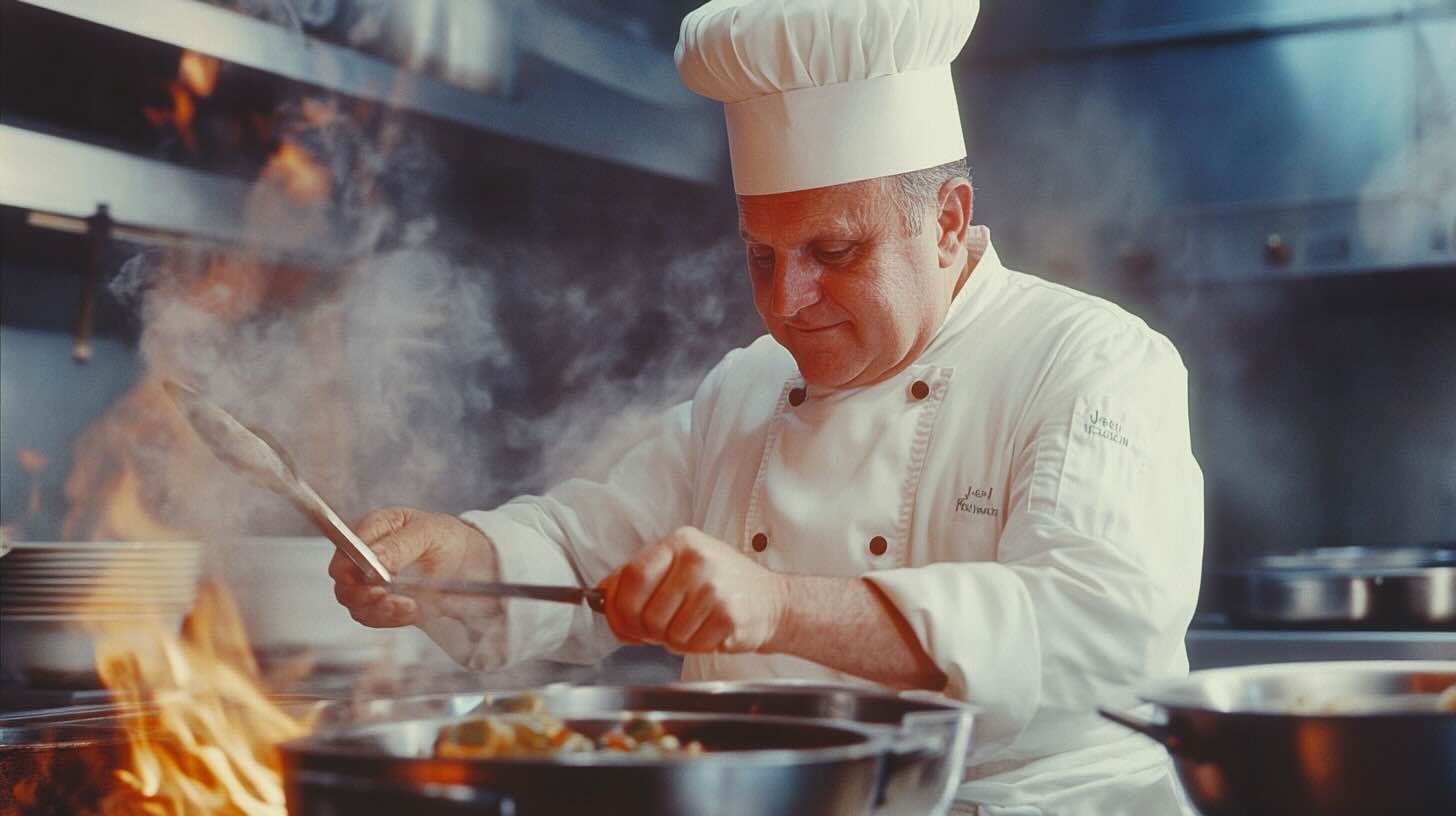
Joël Robuchon was a world-famous French master chef and restaurateur who was named “Chef of the Century” by Gault Millau in 1989 and received the title “Meilleur Ouvrier de France” in 1976. He was the chef with the most Michelin stars - a total of 32nd chef of the century. This is a title you don't hear too often. Robuchon was […]
Joël Robuchon was a world-famous French master chef and restaurateur who was named “Chef of the Century” by Gault Millau in 1989 and received the title “Meilleur Ouvrier de France” in 1976. He was the chef with the most Michelin stars - 32 in total.
Chef of the century. This is a title you don’t hear too often. Robuchon was one of the greatest chefs of his generation. Not only has he collected the most Michelin stars of all time, but he has also achieved the “Meilleur Ouvrier de France”, one of the highest honors a chef can achieve.
# 1. Meals are sacred
Robuchon grew up in a traditional French family and always valued the ceremonial baking practices in the Catholic faith. He was fascinated by how food was always blessed before being eaten and wanted to become a priest.
Food was something sacred for him from a young age. As a boy, he started helping in the kitchen and before he knew it, he realized his true purpose in life: to master the art of cooking. He left seminary in his youth and devoted himself directly to perfecting his craft.
The boy from Poitiers embarked on a journey that took him from an ordinary French child growing up in a poor household in post-war France to one of the greatest chefs of all time.
# 2. Robuchon & Jamin’s rise
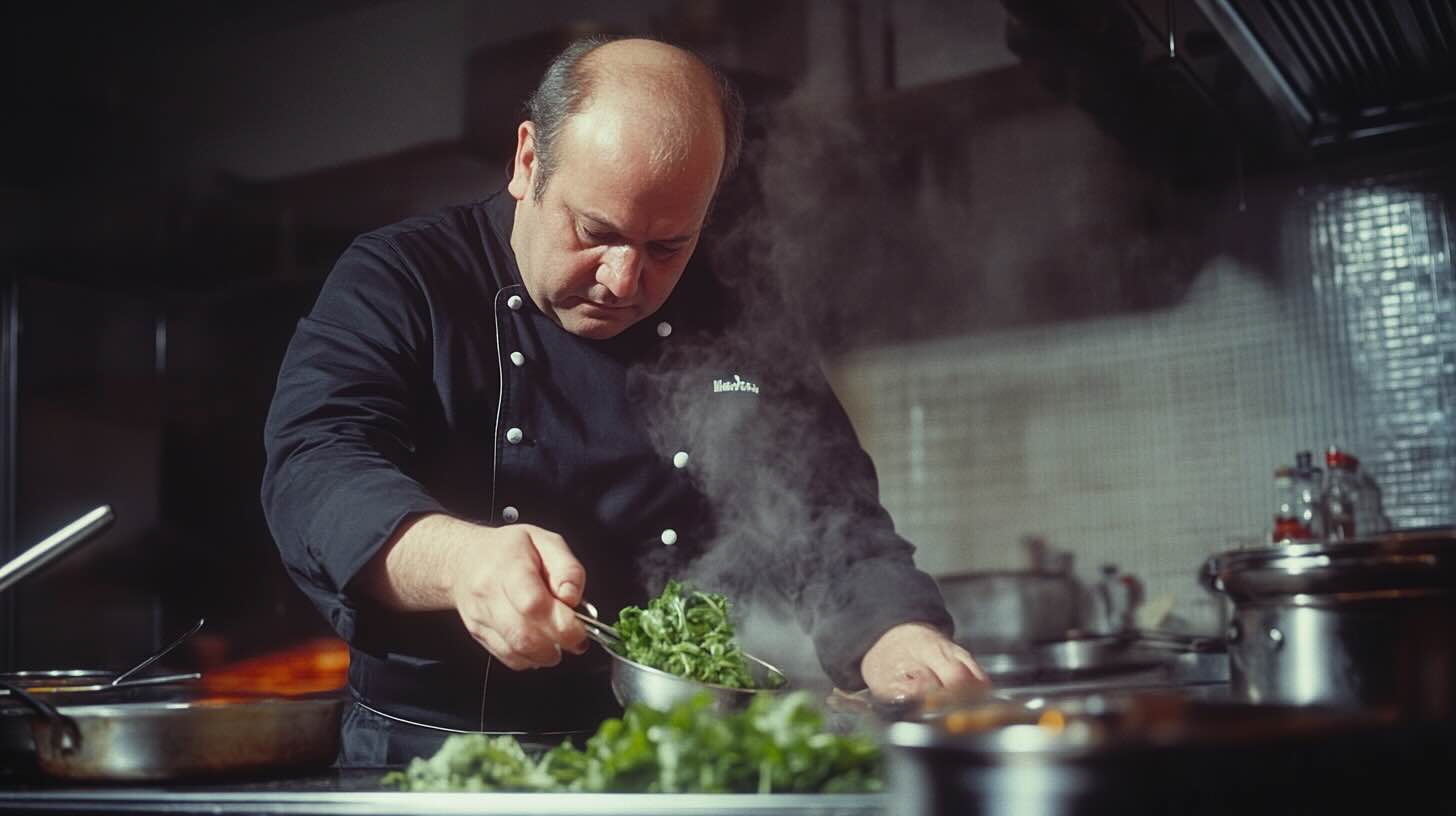
He started like any other Frenchman through the brigade de cuisine and worked his way up from the bottom. He quickly rose through the ranks, from aide pâtissier (assistant pastry chef) to chef de cuisine (head chef), where he ran the kitchens at Concorde Lafayette (with a team of 90 people when he was just 29) and soon after at the Nikko Hotel, where he won two Michelin stars.
Five years after winning the Meilleur Ouvrier de France, Robuchon decided to open his own restaurant in Paris - Jamin. What happened next made history. It received a Michelin star year after year. Opened in 1981. Three Michelin stars in 1984. It was also named “Best Restaurant in the World” by the International Herald Tribune.
# Templeshape’s
# healthy cookbook:
# Nourish From Within****
# 3. Ramsay & Robuchon
It is well known how much Robuchon inspired Gordon Ramsay, especially in his early days. Robuchon was a pretty cheerful guy, but in the kitchen he was a completely different animal.
Ramsay, as most of us know, is hot-tempered and (slightly) arrogant. You can imagine how the two would have clashed in the kitchen. At one point, Robuchon wasn’t happy with Ramsay’s langoustine ravioli, and Ramsay didn’t take the criticism well.
One thing led to another, and before you knew it, Ramsay was banging around with cookware and threatening Robuchon to quit in the heat of the moment. Obviously the man didn’t put up with it. Robuchon threw a plate of food at Ramsay’s face. “That was the only time I ever threw a plate at someone,” Robuchon said years later in an interview with The Telegraph.
The two definitely had a close relationship, characterized by a lot of respect. To this day, Ramsay calls Robuchon the “godfather of Michelin stars.”
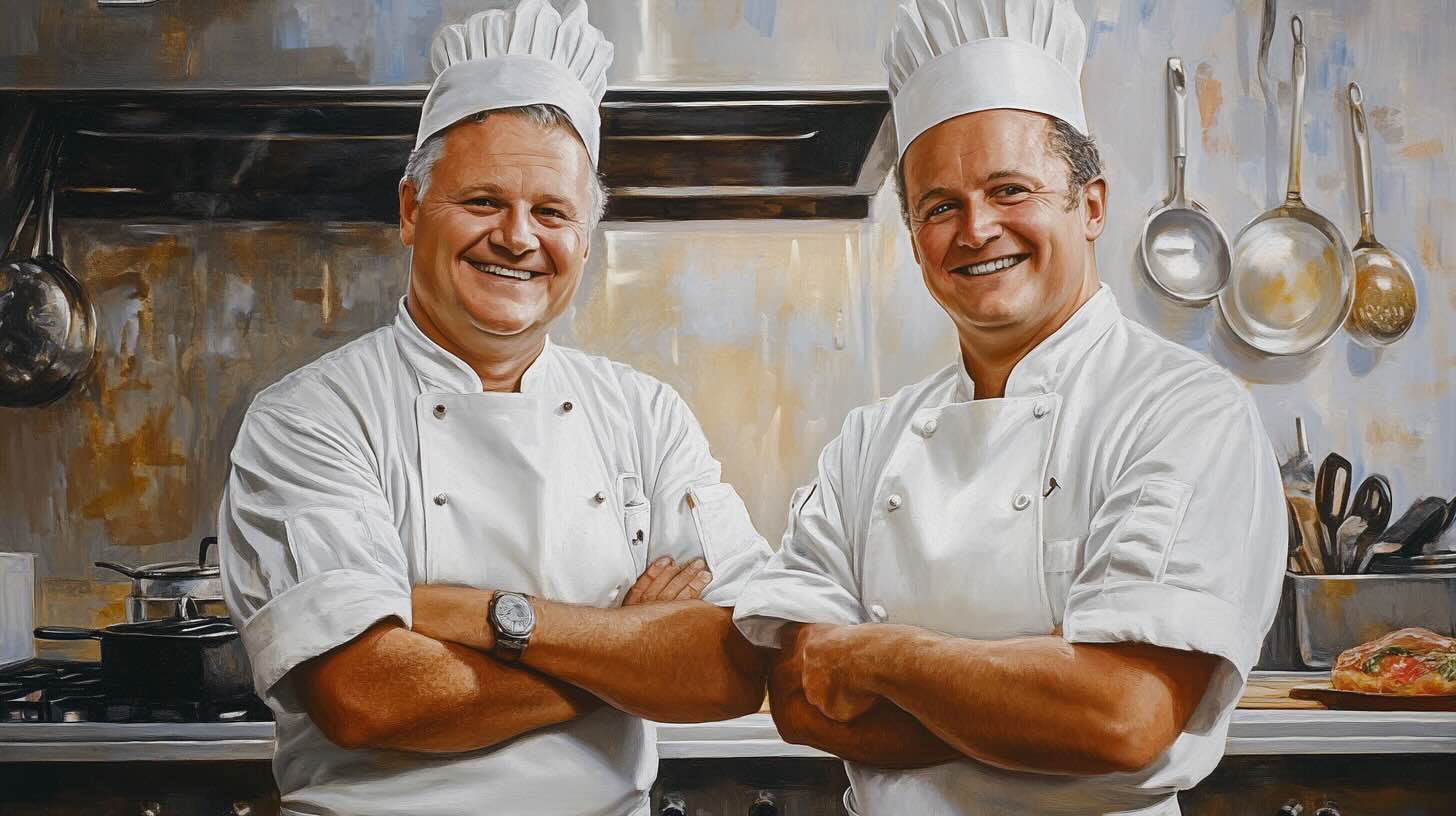
# 4. The magic lies in the simplicityRobuchon was special in how he always used only a few ingredients in most of his dishes. He didn’t go for extravagance, but instead concentrated on 2-3 flavors and let them shine. He was a genius at influencing the palate, and it was this attention to detail that catapulted him to the top. “It is important to respect the integrity of the ingredients by preserving their flavors and scents,” he said.
# Digression: Did you know?
The Michelin star was invented by the founders of Michelin tires, André Michelin and Édouard Michelin. To promote their tires, they distributed free copies of the Michelin Guide, which not only included instructions on changing and repairing tires, but also showed a map of the best restaurants and amenities in France. The first Michelin stars were awarded in 1926, and the 3-star rating system was introduced four years later in 1931.
# 5. Recipe: Robuchon’s Famous “Pommes Purées”
Yes, you read that right. This man’s most famous dish is mashed potatoes. Robuchon has perfected the art of pureeing, and over the next few pages I’ll break down his technique and recipe for you to try in the comfort of your own home.
Ingredients (serves two people) • 1 medium potato• 2 generous knobs of grass-fed butter, cut into small pieces (approx. 40g)• 40ml warm whole milk (same amount as butter)• Salt & Pepper (S&P)
Equipment • Pot • 2 small pots (sauce pans) • Vegetable grinder (important for Michelin-worthy consistency) • Whisk
Technique • Wash the potatoes and cook them in a pot of salted water over low heat for 20-30 minutes.• As soon as they are cooked, peel them immediately (protect your hands).• While still hot, press them through the vegetable mill on the finest setting.• Heat the puree in a pot over low to medium heat, stirring continuously with a wooden spatula for a few minutes, until it seems a little dry.• Remove from the heat and add the butter, while vigorously keep stirring. The faster you mix, the smoother and creamier it will be.• Once the butter is fully incorporated, add the warm milk (heat separately first).• Beat well with a whisk until perfectly combined, seasoning with salt and pepper to taste.
“It is this simple but tasty dish that has done the most for the reputation of my restaurant. For a good puree, choose potatoes of uniform size so that they all cook at the same time. For my restaurant I used only the best rattes from Jean-Pierre Clot from Jouy-le-Châtel (Seine-et-Marne), larger than the usual potatoes of this variety and, above all, of exceptional taste.
Pay attention to the ratio of salt in the cooking water: it is no coincidence that you add salt right at the beginning.
In the vegetable mill you need a strong wrist movement to dry the puree with a wooden spatula.
Add the fresh butter first and then the whole milk. Finish with a whisk to lighten the puree.”
— Joel Robuchon